

Debian vs Its Derivatives: Which Linux Distro Wins for Servers & VPS?
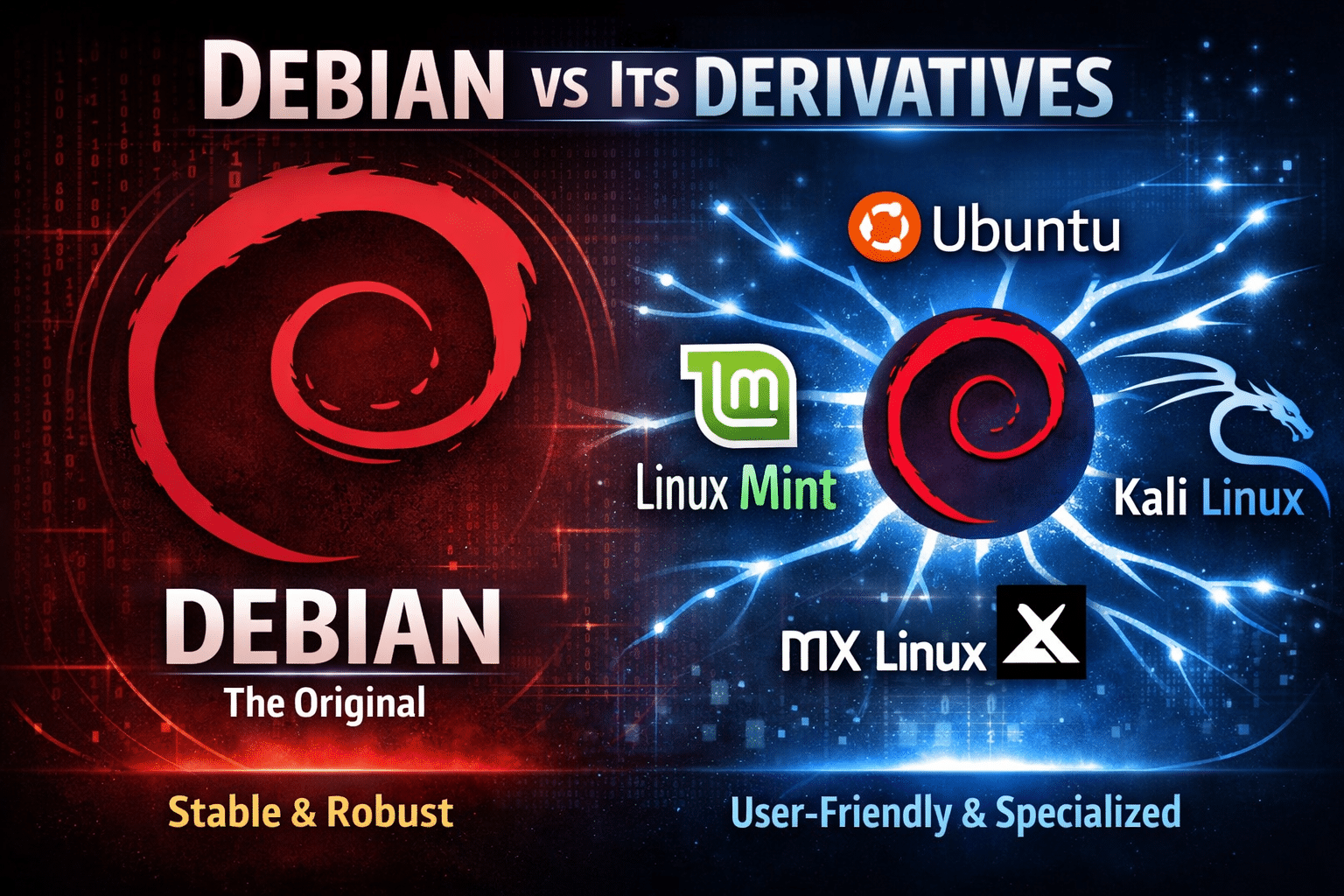
When it comes to powering servers and VPS environments, few names command as much respect as Debian. Known for its stability, strict package policies, and long-term reliability, Debian has become the backbone of countless production infrastructures worldwide.
But here’s the real question:
Is vanilla Debian always the best choice for servers and VPS?
Or do its derivatives — like Ubuntu, Linux Mint Debian Edition, Devuan, and Parrot OS — actually deliver more practical value in modern cloud environments?
If you’re deploying workloads on a high-performance VPS platform like HOMERDP, choosing the right distro directly impacts performance, security, maintainability, and scalability.
Let’s break this down strategically.
Debian: The Gold Standard of Stability
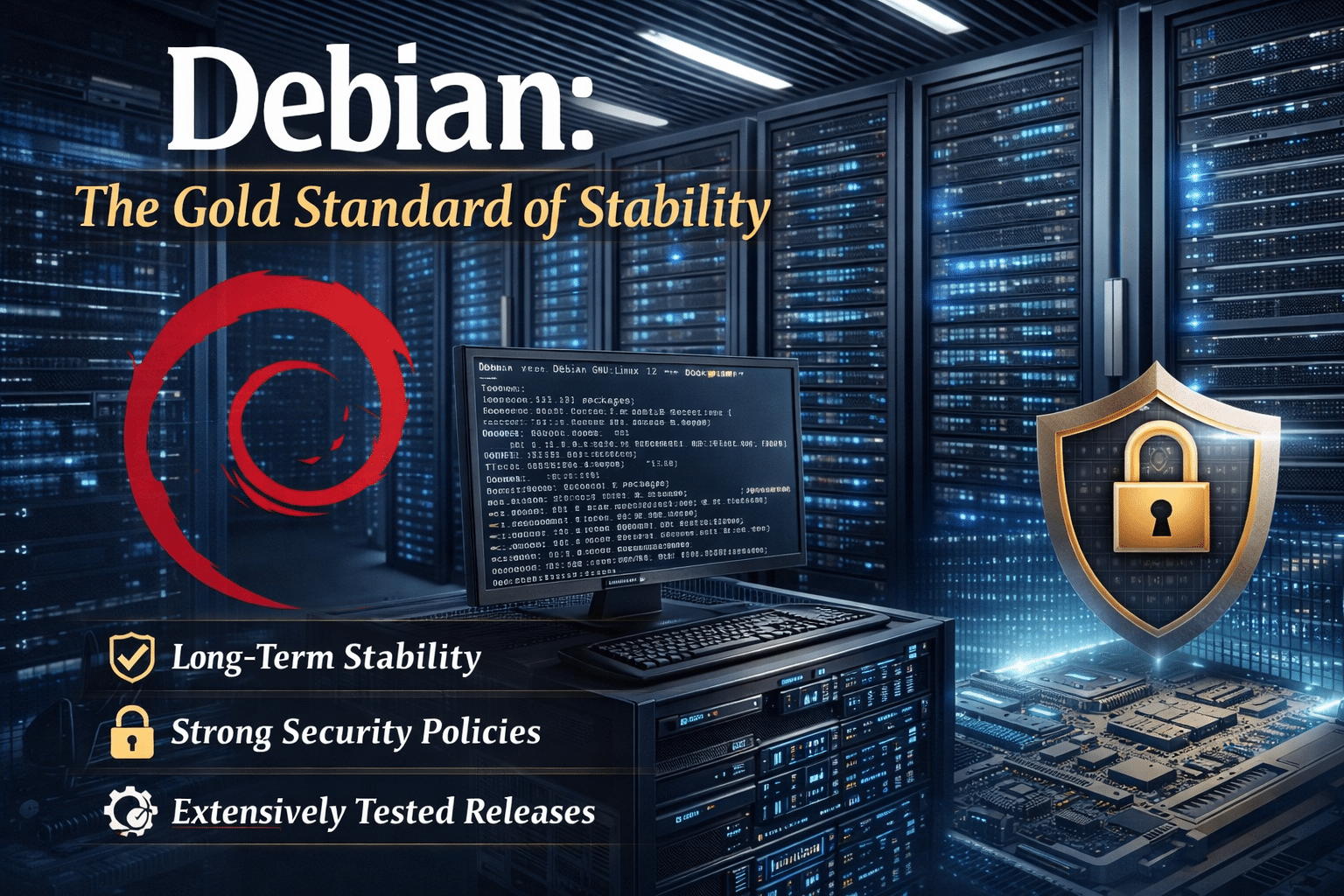
Debian has built its reputation on three core pillars:
- Conservative package management
- Strong security policies
- Extensive testing before release
Why Debian Excels for Servers
1. Long-Term Stability
Debian Stable releases are thoroughly tested. Packages may not be the newest, but they are dependable.
2. Minimal Resource Usage
A base Debian install is lightweight — ideal for:
- Web servers
- Database nodes
- Microservices
- Container hosts
3. Security Maintenance
The Debian Security Team actively maintains updates for stable releases, making it suitable for mission-critical systems.
Where Debian Falls Short
- Older software versions
- Slower update cycles
- Less beginner-friendly setup
- Manual configuration required
In a VPS environment, especially one deployed through HOMERDP’s Linux VPS plans with full root access, Debian shines when:
- You prioritize uptime over cutting-edge features
- You manage infrastructure manually
- You run production workloads that demand predictability
Ubuntu: The Enterprise-Friendly Evolution
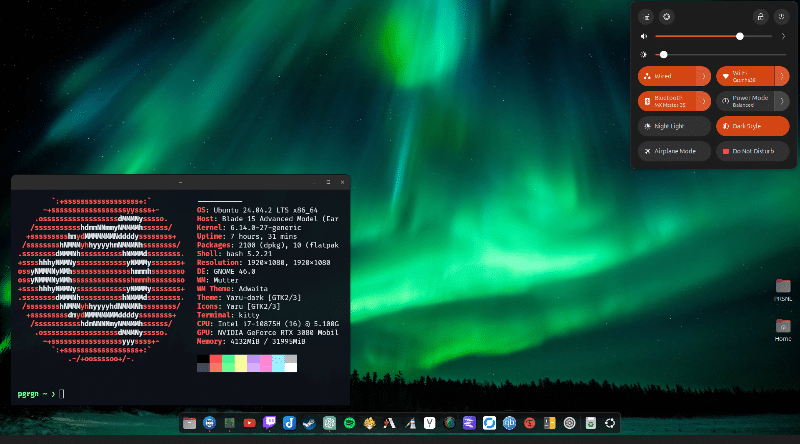
Built on Debian’s foundation, Ubuntu took Debian and made it more accessible.
Why Ubuntu Often Wins for VPS
1. LTS Releases (5-Year Support)
Ubuntu LTS versions provide long-term stability with newer software compared to Debian Stable.
2. Better Hardware & Driver Support
For VPS users leveraging:
- GPU servers
- Advanced virtualization
- Cloud-native workloads
Ubuntu often detects and configures environments faster.
3. Massive Community & Documentation
Most cloud tutorials and DevOps guides assume Ubuntu.
Server Use Cases on HOMERDP
When you deploy Ubuntu on a HOMERDP VPS, you benefit from:
- Quick provisioning
- Seamless Docker & Kubernetes setup
- Faster compatibility with modern stacks like Node.js, Python, AI frameworks
If you’re a developer or startup scaling apps on VPS infrastructure, Ubuntu frequently becomes the practical winner.
Devuan: Debian Without systemd
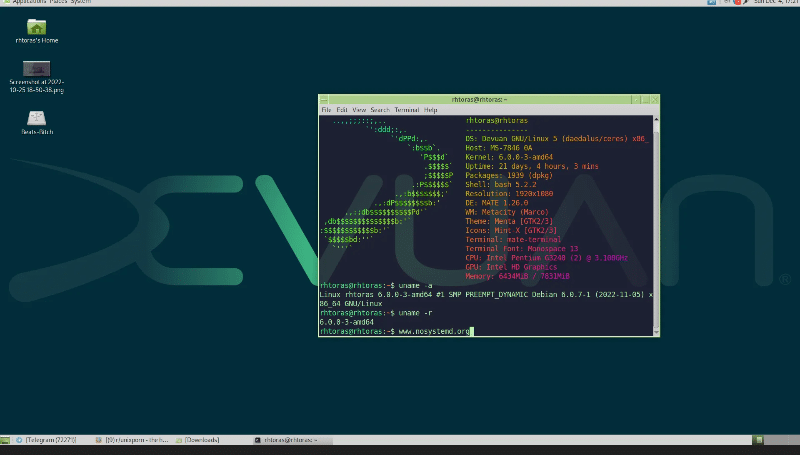
Not everyone appreciates systemd.
Devuan removes systemd and restores traditional init systems like SysVinit or OpenRC.
Why Some VPS Admins Prefer Devuan
- Greater control over boot processes
- Simpler service management
- Reduced complexity
For performance-focused VPS deployments, Devuan can:
- Lower background service overhead
- Improve transparency in system behavior
- Suit legacy enterprise applications
If you’re running specialized services on a minimal HOMERDP VPS configuration, Devuan offers granular control.
Linux Mint Debian Edition (LMDE): Stable Yet Polished

LMDE blends Debian’s core stability with Linux Mint’s usability improvements.
While primarily desktop-focused, LMDE has interesting VPS applications:
- Remote GUI desktops
- Lightweight development sandboxes
- Educational Linux labs
On HOMERDP’s RDP-enabled Linux servers, LMDE can power:
- Remote development environments
- Browser-based testing labs
- Training environments for students
It’s not always ideal for backend-heavy production servers — but for GUI-based VPS use cases, it shines.
Parrot OS: Security & Penetration Testing
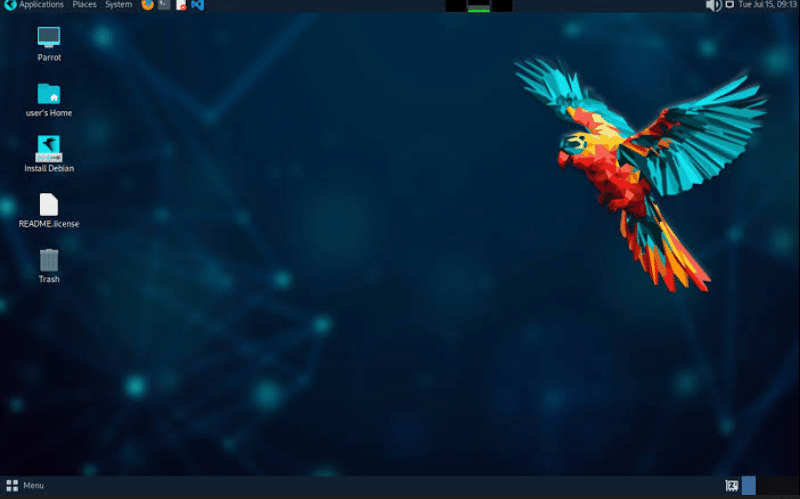
For cybersecurity professionals, Parrot OS stands out.
It includes:
- Penetration testing tools
- Privacy-focused configurations
- Forensics utilities
On a VPS environment like HOMERDP:
- Security researchers can build isolated labs
- Ethical hackers can test environments remotely
- Analysts can deploy encrypted remote workstations
Instead of running tools locally, deploying Parrot OS on a secure VPS reduces hardware dependency and improves flexibility.
Performance Considerations in VPS Environments
When comparing Debian vs derivatives for VPS hosting, consider these factors:
| Factor | Debian | Ubuntu | Devuan | Parrot OS |
|---|---|---|---|---|
| Stability | ⭐⭐⭐⭐⭐ | ⭐⭐⭐⭐ | ⭐⭐⭐⭐ | ⭐⭐⭐ |
| Software Freshness | ⭐⭐ | ⭐⭐⭐⭐ | ⭐⭐ | ⭐⭐⭐ |
| Ease of Setup | ⭐⭐ | ⭐⭐⭐⭐⭐ | ⭐⭐ | ⭐⭐⭐ |
| Security Tools | ⭐⭐⭐ | ⭐⭐⭐ | ⭐⭐⭐ | ⭐⭐⭐⭐⭐ |
| Lightweight Usage | ⭐⭐⭐⭐ | ⭐⭐⭐ | ⭐⭐⭐⭐ | ⭐⭐ |
The “winner” depends entirely on your workload.
How the Right VPS Amplifies Your Distro Choice
Choosing a Linux distribution is only half the equation.
Infrastructure matters just as much.
Deploying any of these Debian-based distros on HOMERDP’s Linux VPS services provides:
High-Performance Hardware
Fast SSD/NVMe storage enhances:
- Database queries
- Application response time
- Package installation speed
Global Server Locations
Lower latency for:
- Web applications
- Remote desktop sessions
- API services
Full Root Access
Customize kernel parameters, install custom packages, configure firewalls — complete control.
Scalability
Start small. Upgrade resources when traffic grows.
For example:
- Running a Debian web server? Scale RAM when traffic spikes.
- Hosting Ubuntu with Docker containers? Increase CPU cores.
- Running Parrot OS security labs? Expand storage for toolkits.
The distro performs best when paired with scalable VPS infrastructure.
Strategic Recommendations
Let’s simplify this for practical decision-making:
Choose Debian If:
- You want maximum stability
- You manage servers manually
- You run mission-critical workloads
Choose Ubuntu If:
- You want easier setup
- You need modern packages
- You deploy cloud-native stacks
Choose Devuan If:
- You avoid systemd
- You need traditional service management
Choose Parrot OS If:
- You work in cybersecurity
- You build remote security labs
So, Which Linux Distro Wins?
There is no universal winner.
But for most VPS and server deployments in 2026, Ubuntu often strikes the best balance between:
- Stability
- Modern software
- Community support
- Ease of management
However…
If uptime and conservative stability are your absolute priority, Debian remains unbeatable.
And if your infrastructure runs on a reliable platform like HOMERDP, you can extract peak performance from any of these distros.
Final Verdict: Match the Tool to the Mission

Debian is the foundation.
Its derivatives refine it for specific audiences.
In a high-performance VPS environment:
- Infrastructure + OS alignment determines success.
- Scalability + security determine longevity.
When you combine the right Debian-based distro with a robust VPS solution from HOMERDP, you create:
- Reliable server environments
- Efficient development pipelines
- Secure remote workstations
- Scalable cloud applications
The real winner isn’t Debian or Ubuntu alone.
The real winner is the smart pairing of the right Linux distro with the right hosting infrastructure.
EXPLORE MORE; Tmux Supercharges Remote Linux Development

READ OUR BLOGS