

From X11 to Wayland: GNOME 50’s Impact on RDP and the Next-Gen Linux Desktop
The Linux desktop ecosystem has reached a defining milestone with the release of GNOME 50. This update isn’t just another incremental upgrade—it represents a fundamental architectural shift that directly impacts performance, remote computing, and GPU-powered workflows.
With the complete transition from X11 to Wayland, GNOME 50 signals the arrival of a next-generation Linux desktop, built for cloud environments, GPU acceleration, and high-performance remote desktop (RDP) use cases.
For developers, enterprises, and remote computing users leveraging platforms like HOMERDP, this shift is more than technical—it’s transformative.
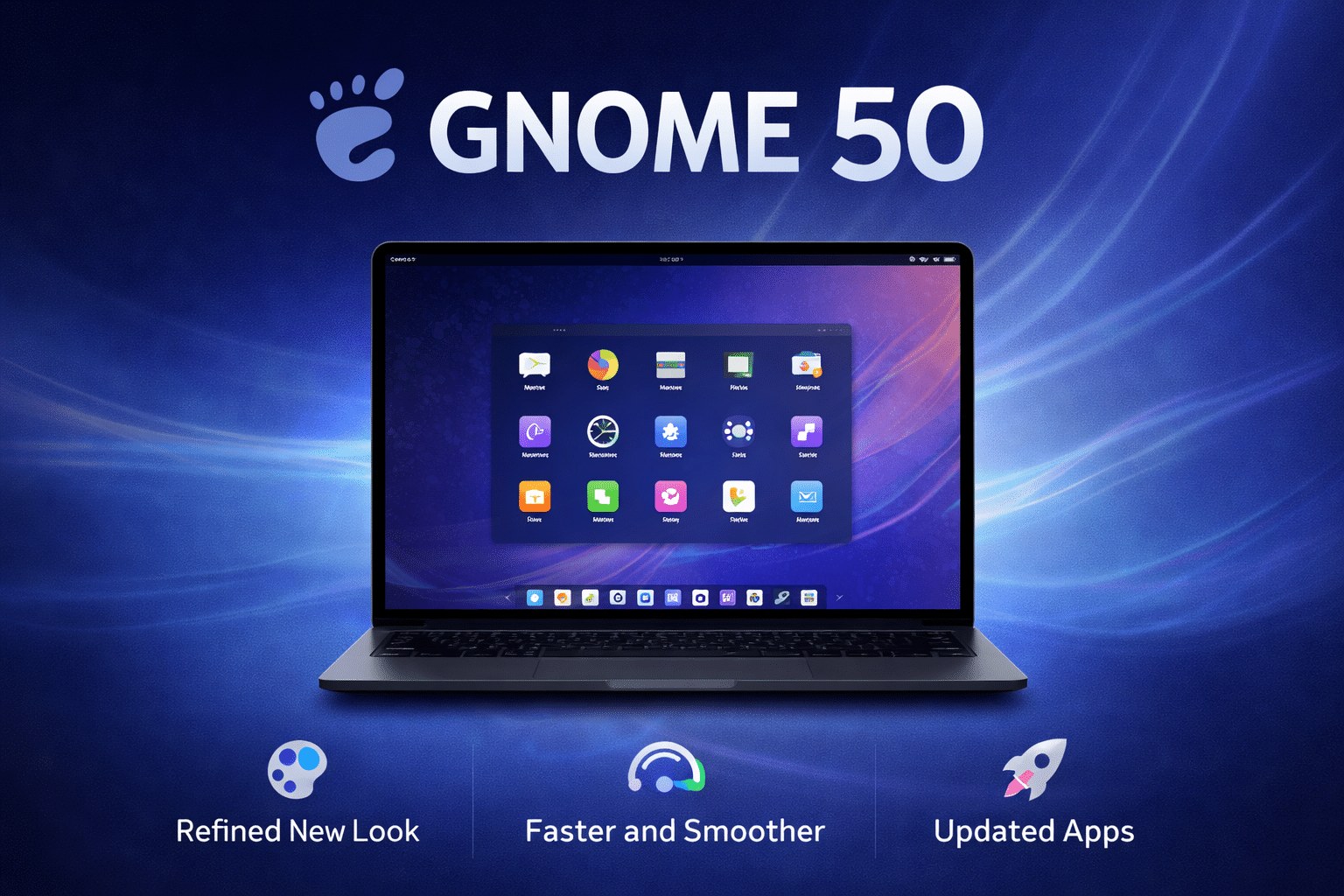
GNOME 50: A Turning Point in Linux Desktop Evolution
GNOME 50 focuses heavily on:
- Performance optimization
- GPU efficiency
- Modern display technologies
- Remote desktop enhancements
Unlike previous releases that emphasized UI refinements, GNOME 50 dives deeper into core system performance and rendering pipelines.
This makes it especially relevant for:
- Cloud-based development
- AI/ML workloads
- GPU virtualization
- Remote desktop environments
The End of X11: Why It Matters
For decades, X11 served as the backbone of Linux graphical systems. However, its architecture has long struggled with:
- High latency in rendering
- Security limitations
- Poor GPU utilization
- Inefficient handling of modern display technologies
GNOME 50 officially removes X11 support, marking the end of an era.
Why this is a big deal:
✔ Eliminates legacy bottlenecks
✔ Simplifies rendering pipeline
✔ Enhances system security
✔ Enables better GPU acceleration
This transition lays the groundwork for a clean, modern, and efficient desktop stack.
Wayland: The Engine Behind the Next-Gen Desktop
Wayland is not just a replacement—it’s a complete redesign of how graphical systems interact with hardware.
Key Advantages of Wayland:
1. Lower Latency Rendering
Wayland allows applications to communicate directly with the compositor, reducing unnecessary layers.
Result: Faster response times—critical for RDP sessions.
2. Better GPU Utilization
Wayland integrates tightly with modern GPUs, enabling:
- Direct rendering paths
- Reduced CPU overhead
- Efficient frame handling
This is a massive win for GPU-based remote desktops.
3. Improved Security
Wayland isolates applications more effectively, preventing:
- Screen scraping
- Unauthorized input capture
Essential for enterprise and remote environments.
4. Modern Display Support
Wayland natively supports:
- HDR
- Variable Refresh Rate (VRR)
- High DPI scaling
GNOME 50 and RDP: A Perfect Alignment
Remote desktop performance has historically been limited by:
- CPU-bound rendering
- High latency
- Frame drops
- Poor multi-monitor support
GNOME 50 changes that.
Major RDP Improvements:
- Hardware-accelerated rendering
- DMA-BUF integration
- Zero-copy pipelines for video and graphics
- Improved multi-display handling
These upgrades shift workloads from CPU to GPU, making remote sessions smoother and more efficient.
NVIDIA GPU Optimizations: A Huge Leap Forward
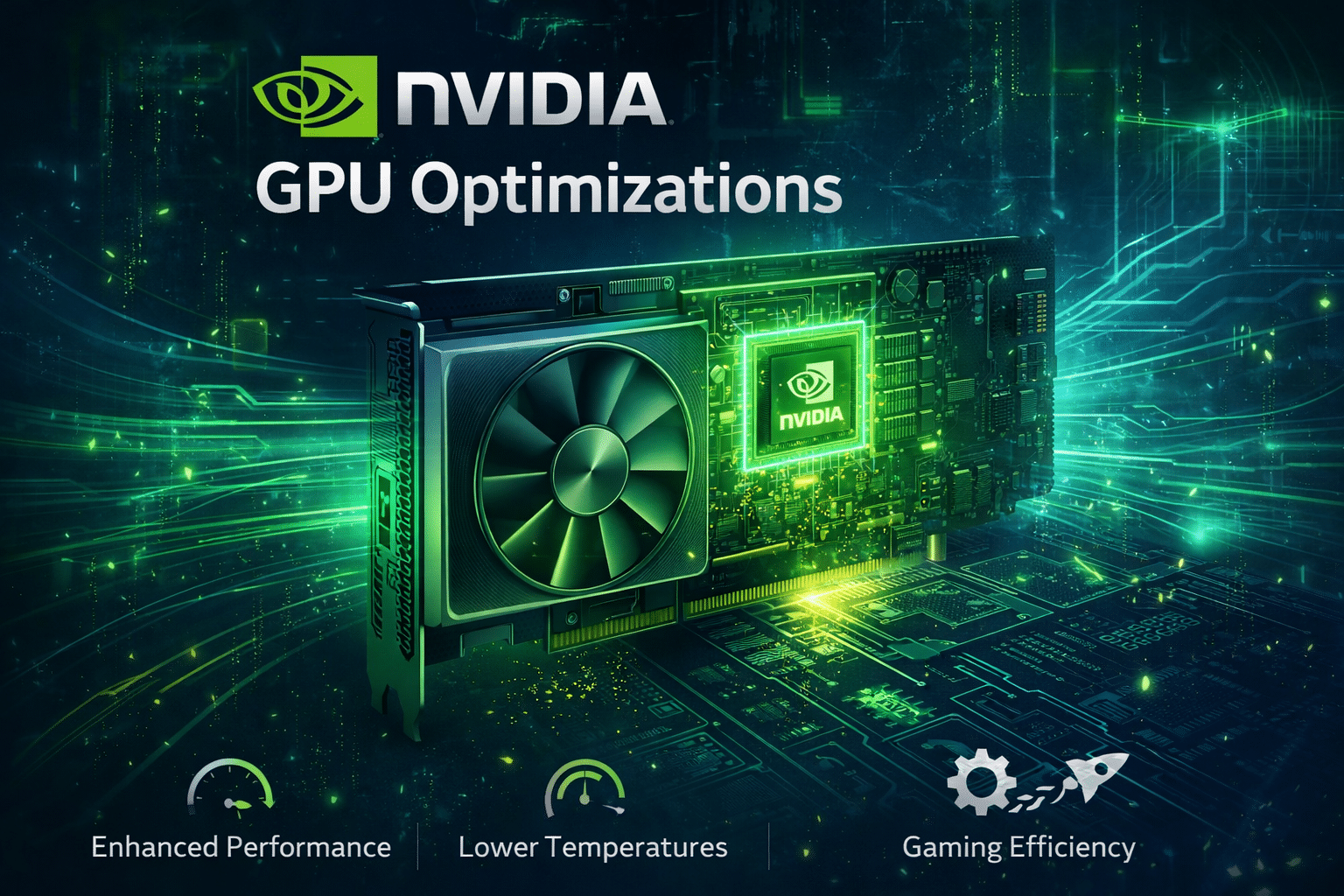
One of the standout features of GNOME 50 is its improved support for NVIDIA GPUs.
Enhancements include:
- Better driver compatibility
- Smoother animations
- Improved Vulkan rendering
- Optimized GPU scheduling
In real-world scenarios, users may experience:
- Faster rendering speeds
- Reduced stuttering
- More stable GPU workloads
Why This Matters for HOMERDP Users
Modern RDP environments demand:
- High performance
- Low latency
- Scalability
- GPU acceleration
This is where HOMERDP GPU RDP servers come into play.
Strategic Advantage:
By combining:
- GNOME 50’s Wayland-based architecture
- HOMERDP’s GPU infrastructure
Users unlock:
✔ Near-local desktop experience
✔ High-FPS remote sessions
✔ Efficient AI and rendering workflows
✔ Reduced system overhead
Data-Driven Impact on Performance
Let’s look at how GNOME 50 improves real-world performance:
Before (X11-based systems):
- Higher CPU usage
- Slower frame rendering
- Increased latency
After (Wayland + GNOME 50):
- Lower CPU utilization
- GPU-driven rendering
- Faster frame delivery
Some early benchmarks suggest:
- Up to 10% improvement in GPU-intensive tasks
- Noticeably smoother animations
- Reduced input lag in remote sessions
Advanced Display Features: Beyond Just Looks
GNOME 50 introduces modern display technologies that directly impact professional workflows:
1. HDR Support
- More accurate color reproduction
- Ideal for content creators
2. Variable Refresh Rate (VRR)
- Eliminates screen tearing
- Improves gaming and video playback
3. Enhanced Color Management
- Better calibration tools
- Consistent visual output across devices
On GPU RDP setups, this ensures visual fidelity even over remote connections.
Smarter Resource Management
GNOME 50 also improves how system resources are handled:
- Optimized memory usage
- Faster application launches
- Efficient background process handling
Impact on RDP:
✔ Run multiple applications smoothly
✔ Reduce server load
✔ Improve cost efficiency
For users on HOMERDP, this means:
- Better utilization of GPU instances
- More productivity per session
Security Enhancements for Remote Environments
Security is critical in remote desktop workflows.
GNOME 50 strengthens:
- Application isolation
- Input/output security
- System-level permissions
This ensures: ✔ Safer remote access
✔ Reduced vulnerability risks
✔ Enterprise-grade reliability
Real-World Use Cases
1. AI & Machine Learning
Run heavy GPU workloads remotely with improved rendering efficiency.
2. Software Development
Test Wayland-native applications in a modern Linux environment.
3. Content Creation
Leverage HDR and GPU acceleration for editing and rendering tasks.
4. Remote Gaming
Experience smoother gameplay with reduced latency and VRR support.
The Future: Cloud-First Linux Desktop
GNOME 50 represents a broader trend:
The shift toward cloud-based, GPU-powered desktops
With platforms like HOMERDP, users no longer need:
- Expensive local hardware
- High-end GPUs
- Complex setups
Instead, they can: ✔ Access powerful systems remotely
✔ Scale resources on demand
✔ Work from anywhere
Final Thoughts
The release of GNOME 50 marks the beginning of a new era in Linux computing.
By fully embracing Wayland and eliminating X11, GNOME has:
- Modernized the desktop stack
- Improved performance across the board
- Aligned itself with future computing trends
For users leveraging HOMERDP GPU RDP services, this is a massive opportunity to:
✔ Boost productivity
✔ Reduce latency
✔ Achieve high-performance computing remotely
EXPLORE MORE ; GNOME vs COSMIC on GPU RDP

READ OUR BLOGS